


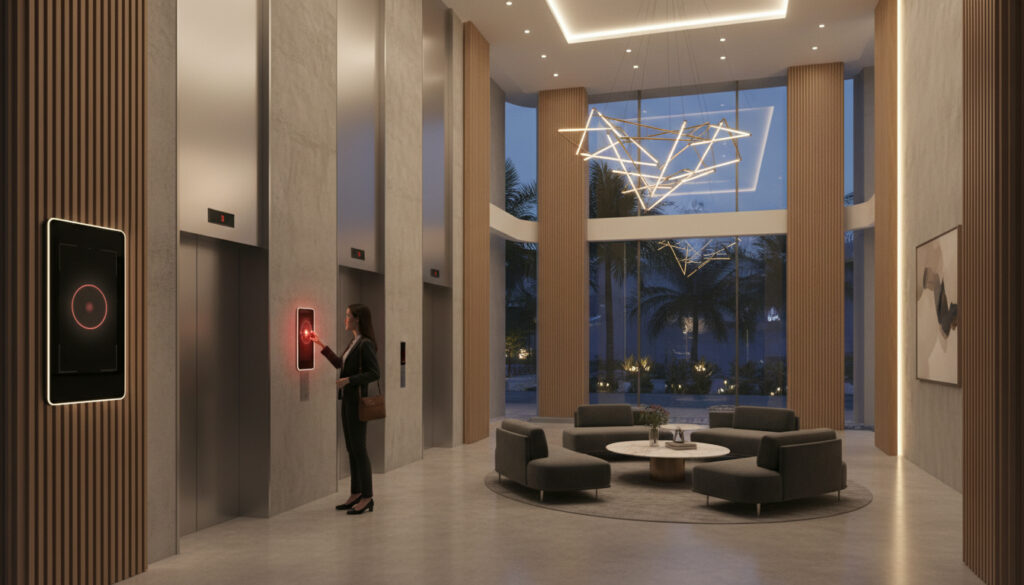
Apartment access control with G-Access replaces key cards with face recognition, keeps cards as a fallback, and lets residents create visitor QR codes in an app. In a 300-unit block in District 7, Ho Chi Minh City, building management saved 40 working hours a month after two months, and 87% of residents use the app.
What problems do key cards cause?
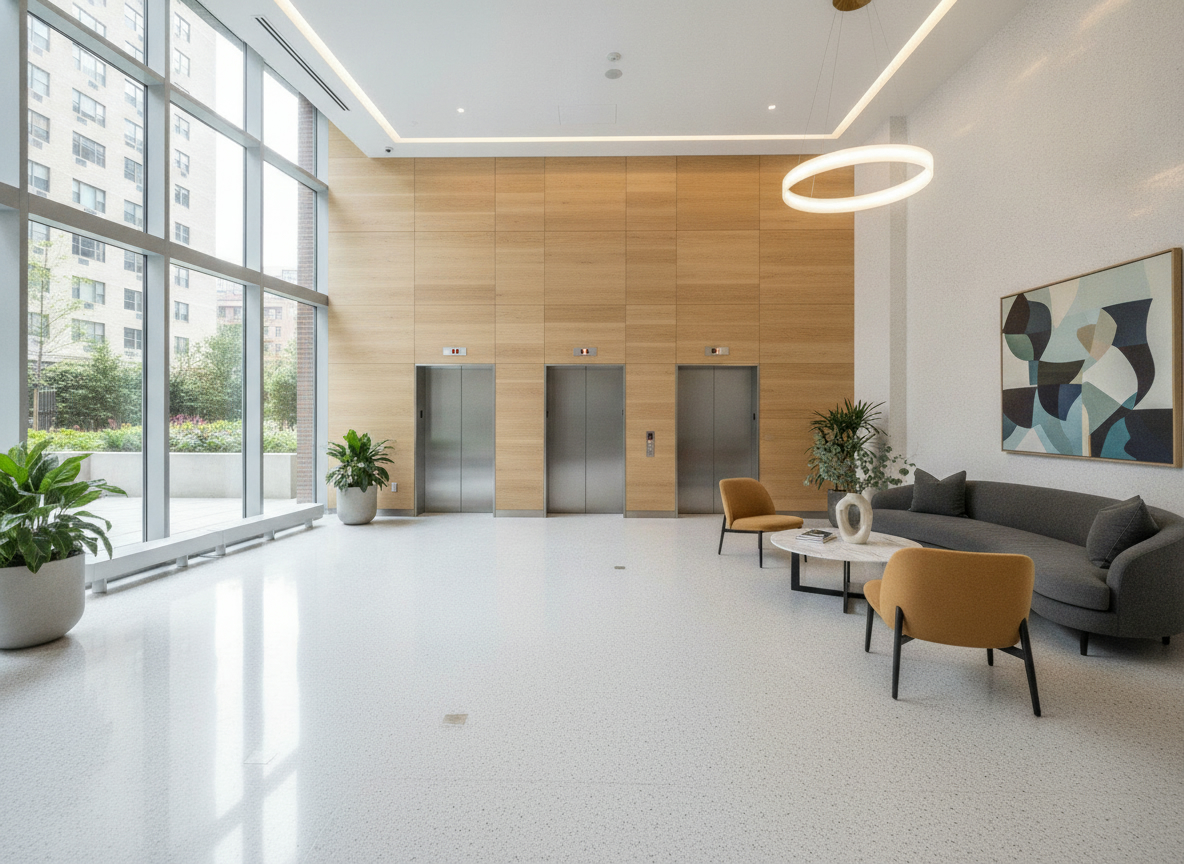
The building in this example has 15 floors and 300 households. Before the change, management issued key cards, guards phoned residents to confirm each visitor, and guards operated the elevator by hand for guests.
The same issues came up every day. A lost card took 2 days to replace. Visitors arriving at lunchtime could not reach their host. Guards spent the day riding the elevator. When something went missing, nobody could say who had been on which floor.
How do residents get in?
Residents enrol their face when they receive their apartment, after signing consent to use the data for entry only. From then on, they walk through the lobby and the elevator selects their floor.
G-Access runs three entry methods side by side. Face recognition is the default. An RFID card serves residents who prefer not to enrol. App QR codes are for visitors and for older residents who are more comfortable with a phone.
How do residents invite visitors?
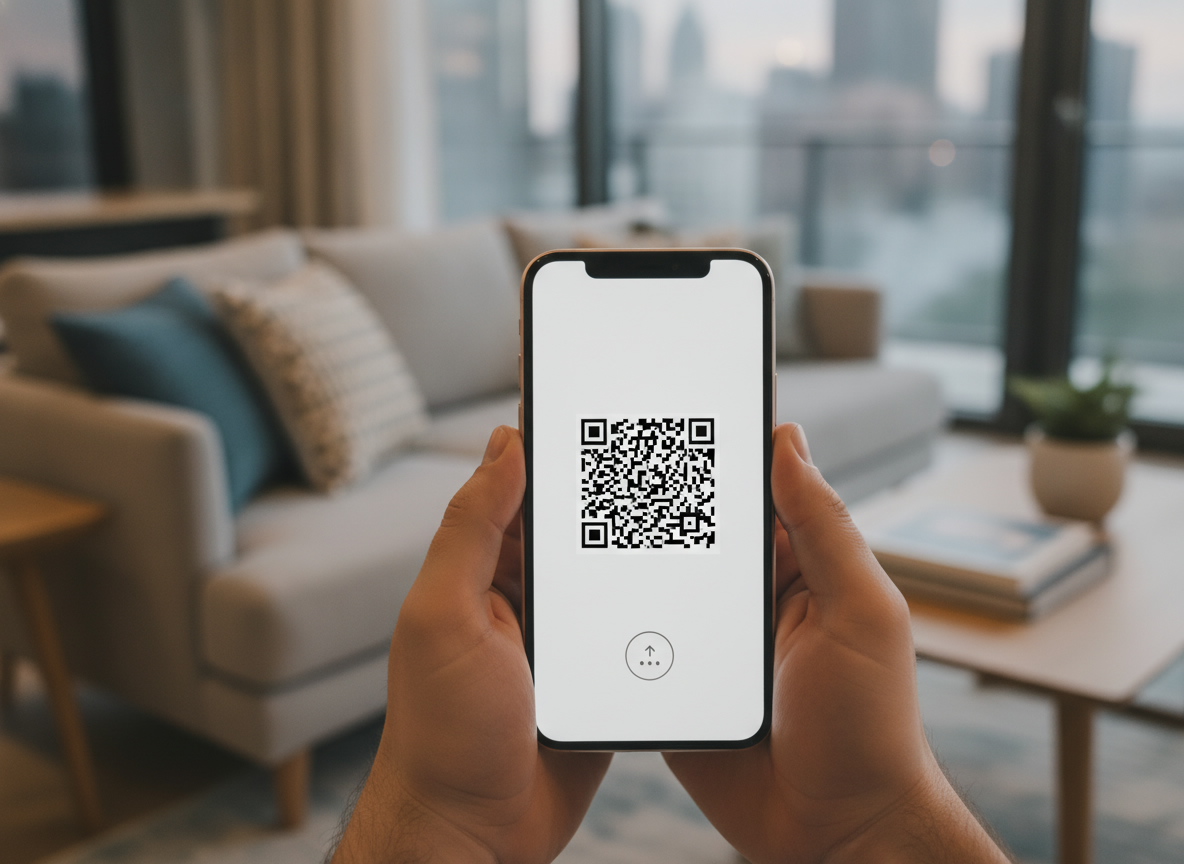
The resident opens the G-Access app, creates a visitor QR code, and enters the guest’s name, date and arrival time. The code goes out by Zalo or SMS.
At the lobby, the visitor scans the code and the elevator goes only to the host’s floor. When the time window ends, the code is cancelled. Residents no longer take confirmation calls or walk down to collect guests.
What data does building management see?
Management sees in real time who is inside the building and receives a monthly report on visitor numbers, peak hours and entry frequency. Each resident sees only their own household’s visitor history.
When there is a dispute or a theft, the entry log shows who came in and when, so checking takes minutes instead of days of asking around.
What were the results after two months?
Figures from the 300-unit block in District 7 after two months on G-Access:
- Management saved 40 hours a month, mostly from no longer handling lost cards or confirmation calls.
- Resident complaints about access fell to zero.
- Guards moved the time they spent on elevators to patrols.
- 87% of residents use the app; the rest use backup cards.
What should buildings know about face data rules?
Biometric data is sensitive personal data under Vietnam’s Personal Data Protection Law No. 91/2025/QH15, in force since 1 January 2026 (Thu Vien Phap Luat). Some violations can be fined up to 5% of the previous year’s revenue (VnEconomy). Buildings should collect written consent at enrolment, keep a card option for anyone who declines, and delete the data when a resident moves out.
How much does it cost?
From 300 million VND for a 300-unit building. That covers hardware for all 15 floors, installation, and 4 training sessions for management and residents, with a 12-month warranty.
How does the switch from key cards happen?
The changeover runs block by block, or floor group by floor group, so the whole building is never disrupted at once. Management announces the schedule a week ahead and opens an enrolment desk in the lobby on evenings and weekends, when most residents are home.
Each resident signs a consent form, has their face captured in about a minute, and gets help installing the app. Anyone not ready to enrol keeps using their card. During the 4 training sessions, the GPIT team answers the questions residents ask most often: where the data is stored, who can see it, and how it is deleted when they move out.
FAQ
How do elderly residents without smartphones get in?
By face or RFID card. The app is only needed to invite visitors, and family members can create codes for them.
What about delivery drivers?
Residents create a short-lived code for the driver, or management limits drivers to the ground-floor parcel area.
Can existing key cards still be used?
It depends on the card type. If the frequency matches the new readers, residents keep their old cards as a backup.
Book a site survey for your building at gpit.vn.
GPIT, IT Solution Investment Company Limited, 32 Truong Phuoc Phan, Binh Tri Dong Ward, Ho Chi Minh City, Vietnam. Hotline +84 945 886 818. Email info@gpit.vn. Website https://gpit.vn.